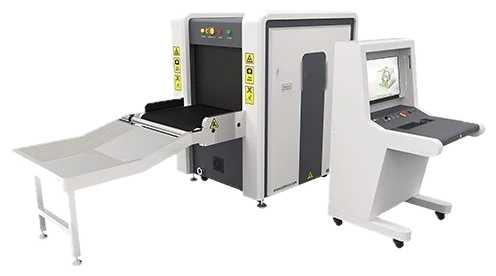
An X-ray baggage scanner lets guards see inside bags without opening them. Choosing the right one comes down to what you will scan, how many bags pass per hour and where the machine will stand.
1. Tunnel size
The tunnel opening decides the largest item you can scan. Measure the biggest bag or parcel you expect.
- Around 500 × 300 mm: hand bags, laptop bags and backpacks, suited to office and hotel lobbies
- Around 650 × 500 mm: suitcases and larger bags, suited to malls, courts and government buildings
- Around 1000 × 1000 mm and larger: cartons and parcels, suited to mail rooms, logistics and cargo
2. Dual energy imaging
Dual energy scanners colour items by material: organic items (such as food, paper and many explosives) in one colour, inorganic items in another, and metals in a third. This helps guards spot threats quickly. For most sites, dual energy is the right choice.
3. AERB approval
X-ray equipment in India needs to meet the requirements of the Atomic Energy Regulatory Board (AERB). Ask for the scanner's AERB approval before you buy, and follow the installation and operator rules that come with it.
4. Conveyor load and speed
Check the maximum conveyor load, especially for parcels, and the conveyor speed. Roller tables at the entry and exit help guards handle bags without blocking the line.
5. Image features
Useful features include zoom, edge enhancement, organic and inorganic stripping, image storage and threat image projection for guard training.
6. Space and power
Measure the floor space including roller tables and room for the operator. Plan a stable power supply with a UPS so the scanner can finish a scan if power drops.
Complete the screening point
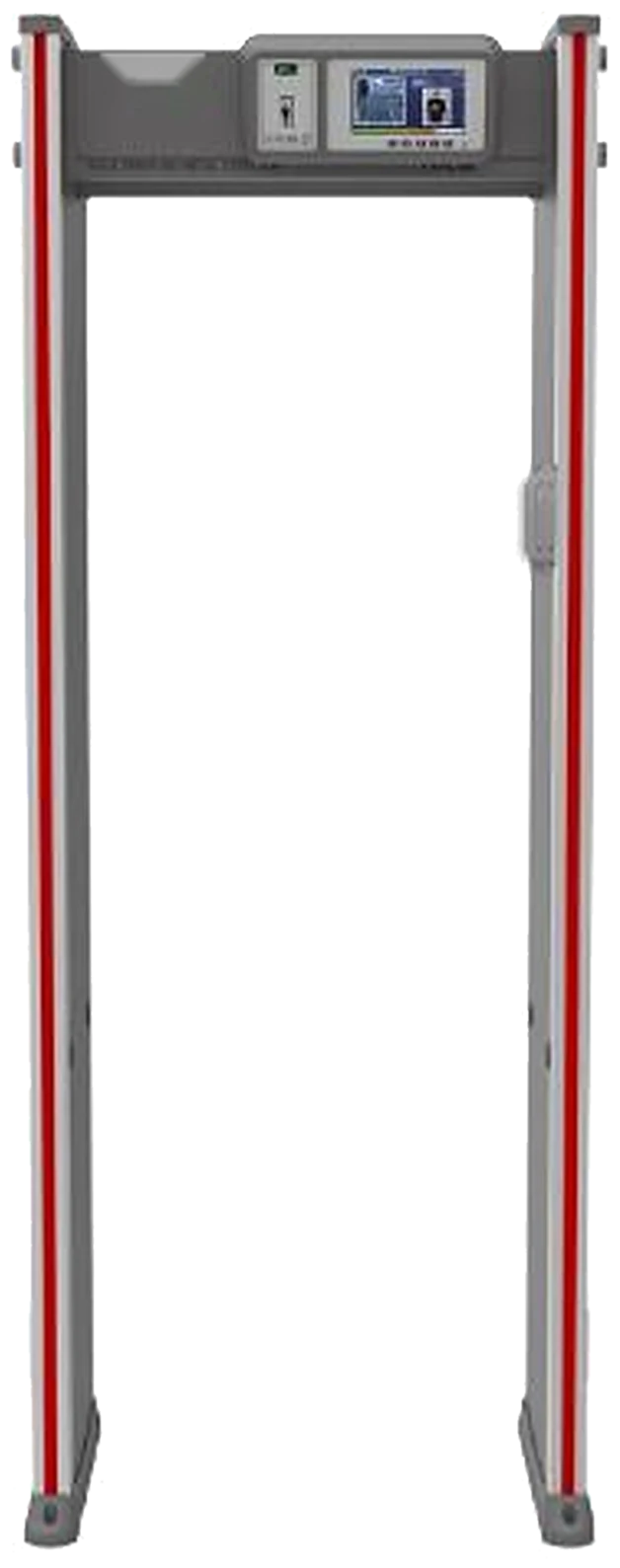
A scanner is usually paired with a door frame metal detector for people and a handheld detector for secondary checks. We plan the layout so bags and people come out at the same point.
Our engineers can visit your site and recommend the right option. Call +91 97119 00801 or request a quote.