A boom barrier looks simple: a motorised arm that lifts to let a vehicle through. But two barriers that look the same can behave very differently after a year of daily use. This guide covers the points that matter most when you choose a boom barrier for a housing society, office, factory, hospital or parking entrance.
1. Measure the lane first
The arm length is decided by the width of the lane, not by the size of the barrier cabinet. Measure the clear road width that the arm must close, and add a little extra so the arm rests on a support post on the far side. Common sizes are:
- Up to about 4 m: a single car lane at most society and office gates
- About 4 to 6 m: wider gates, two-way lanes or gates used by trucks
- Longer spans: need a heavy-duty model, or two barriers meeting in the middle
Longer arms are heavier and catch more wind, so the barrier needs a stronger motor and correct spring balancing. Ask the supplier to confirm the rated arm length for the exact model offered.
2. Choose the right arm type
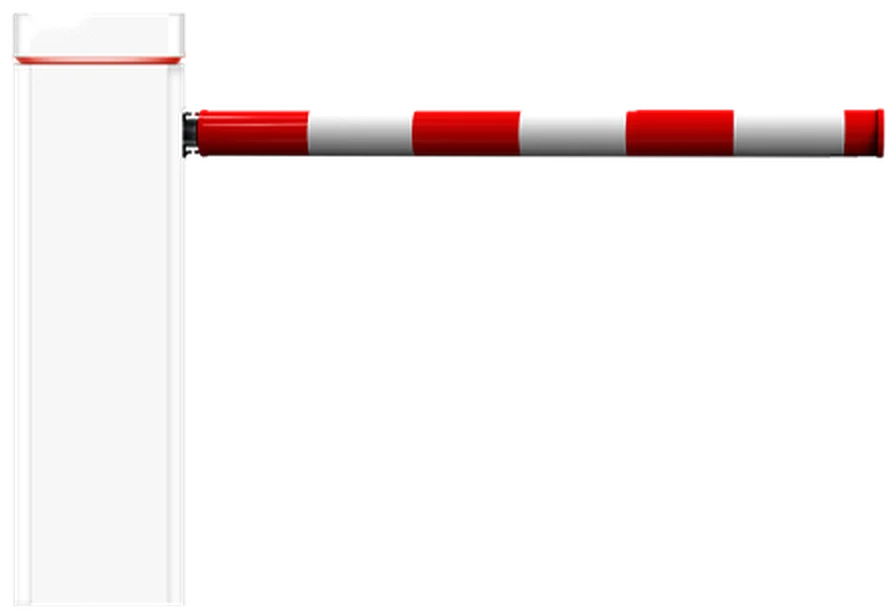
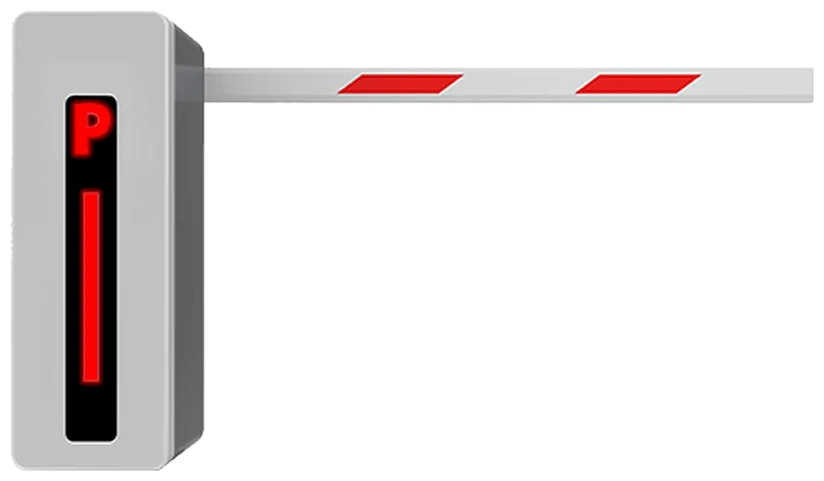
- Straight arm: the standard choice for open-air gates.
- Folding (articulated) arm: bends in the middle as it opens. Use it in basements or under a canopy where the ceiling is too low for a straight arm to rise fully.
- Fence or skirt arm: has hanging bars below the arm to stop two-wheelers and pedestrians from ducking under.
Before ordering for a basement, measure the ceiling height at the barrier position. This single measurement decides whether a straight arm will work.
3. Opening speed and duty cycle
Opening time is usually quoted in seconds. A few seconds is fine for a society or office gate where vehicles stop for a guard or a card reader. Busy parking entries and toll-style lanes need a faster barrier so that queues do not build up at peak hours. Remember that faster barriers usually need shorter, lighter arms.
Also ask about the duty cycle, which tells you how continuously the motor can run. A barrier at a mall or hospital car park may open hundreds of times a day, and a light-duty motor built for occasional use will wear out quickly. For busy gates, choose a model rated for continuous or high-frequency use.
4. Motor type and power backup
Barriers mainly use either an AC motor or a DC (often brushless or servo) motor. DC barriers run smoothly, allow soft start and stop, and can be kept working on a battery during a power cut. AC barriers are simple and robust but usually need an inverter or UPS to work when power fails.
Whatever the motor, check two things: what happens during a power failure, and how the guard can lift the arm manually. Every barrier should have a manual release so the gate is never stuck closed for an ambulance or fire tender.
5. Safety sensors
A barrier arm coming down on a car roof or a person is the most common complaint at gates. Good installations use more than one layer of protection:
- Loop detector: a wire loop cut into the road that senses a vehicle and keeps the arm up until it has passed
- Photo beam (IR) sensor: an infrared beam across the lane that stops the arm closing if something is in the way
- Obstacle reverse: the arm stops and lifts again if it meets resistance
At society gates, where children and two-wheelers pass close to the arm, a photo beam plus a loop detector is a sensible minimum.
6. How the barrier will open
Decide early how vehicles will be allowed in, because this affects wiring and cost:
- Push button or remote for a guard
- RFID tags on windscreens for residents or staff
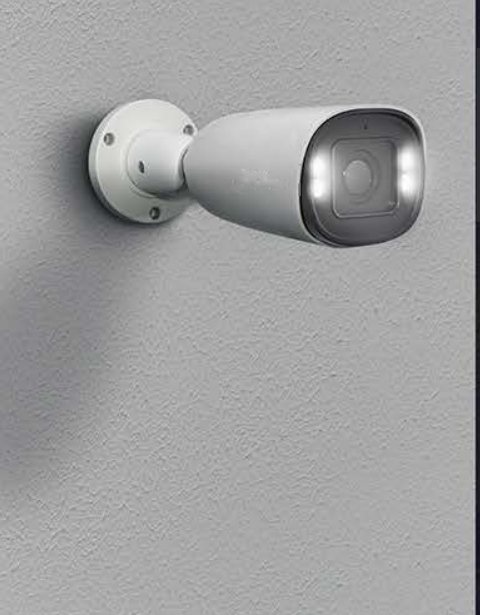
- Number plate recognition (ANPR) cameras
- Tickets or QR codes linked to a parking management system
Our guide on RFID vs ANPR boom barriers explains the pros and cons of the two most popular options in detail.
7. Outdoor build quality
Delhi NCR gates face strong summer heat, dust and heavy monsoon rain. Look for a powder-coated or stainless steel cabinet, a weather-sealed controller, and an arm with reflective strips or LED lights so that it is visible at night. Ask whether the controller and motor are covered by the same warranty.
8. Price: what drives it
The price of a boom barrier depends mostly on arm length, motor type (AC or DC), opening speed, duty rating and the brand. Add-ons such as loop detectors, photo beams, RFID readers, ANPR cameras, civil work and cabling can change the total a lot. When comparing quotes, make sure each one includes the same arm length, the same safety sensors and the same access method, otherwise the cheapest quote may simply be missing items.
Checklist before you order
- Clear lane width and, for basements, ceiling height
- Number of vehicles per day and peak-hour traffic
- Arm type: straight, folding or fence
- Motor type and what happens in a power cut
- Loop detector and photo beam included in the quote
- Access method: remote, RFID, ANPR or tickets
- Warranty, spare parts and AMC support
Mapple Infocom supplies, installs and maintains boom barriers in Gurugram and across Delhi NCR. Share your gate width and a few photos, and our team will suggest a suitable model and plan a site survey.
Our engineers can visit your site and recommend the right option. Call +91 97119 00801 or request a quote.