Where X-ray baggage scanners are used in Manesar
An X-ray baggage scanner lets a trained operator see what is inside a bag or parcel on a monitor while a conveyor carries it through a shielded tunnel. How it works, single vs dual energy and the standard tunnel sizes are explained on our main X-ray baggage scanner page. Manesar is a manufacturing and warehousing belt, and the requests we get here come mostly from these sites:
- Warehouses, fulfilment and sort centres on NH-48, the KMP Expressway and in the logistics parks around Binola, Pachgaon, Bilaspur and Farukhnagar. Here the scanner is used less for visitors and more for staff leaving the floor and for parcels arriving at the inward dock.
- Plants in IMT Manesar: automobile and two-wheeler units, their component suppliers, electronics, pharma and packaging. Scanners check the bags of workers, contract staff and visitors at the gate, and courier packets at the stores.
- Resorts, hotels and banquet venues along NH-48 and the Aravalli side, which screen guest luggage at events alongside door frame metal detectors.
- Schools, colleges and exam centres that screen candidates’ bags on exam days, and offices in the IMT area with a visitor entry.
Warehouses and fulfilment centres: screening at the staff exit
In a fulfilment or sort centre the main risk is small, high-value stock leaving in a bag or pocket. So the scanner usually stands at the staff exit from the operations floor, not at the main gate. A setup that works well:
- Lockers outside the floor. Staff leave personal bags in lockers before they enter, and carry only a clear pouch or a small bag inside. The scanner at the exit then has little to check, and the queue moves.
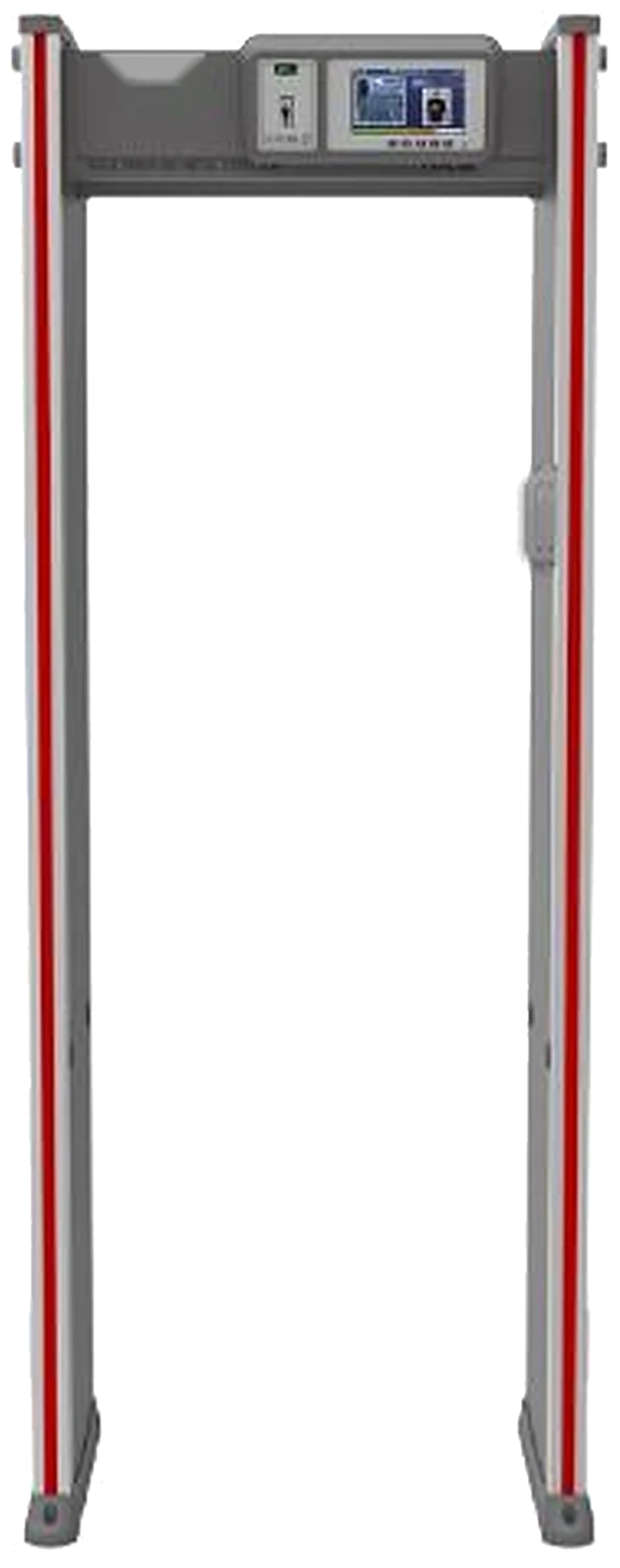
- Bag through the scanner, person through a DFMD. The bag goes through a compact scanner while the person walks through a door frame metal detector, with a handheld detector for alarms. Where the exit has a tripod turnstile or full height turnstile, the check comes before it.
- One direction only. The screening lane should only lead out of the floor, so that nobody can walk round it. Entry to the floor can be a separate lane.
- Peak at shift change. Warehouse shifts end all at once, and seasonal sale periods bring extra temporary staff. Plan the number of exit lanes for the largest shift, not the average day, and keep a second compact scanner in mind for peak season instead of one large machine.
Parcels at the inward dock
Courier hubs and stores that receive loose parcels sometimes want them screened before they are opened or sorted. The scanner then stands near the dock, where it must be protected from forklifts and pallet trucks with guard rails, and roller tables on both sides let staff feed parcels without lifting. Our standard tunnels go up to about 655 × 505 mm, which takes most courier packets and medium cartons. If your cartons are larger than that, tell us the carton size: cargo-size tunnels are a separate, larger class of machine and we quote them on request.
Shift-bus arrivals at IMT Manesar plants
At many IMT plants the workers arrive by shift bus, so the gate gets a full busload at once rather than a steady flow. A scanner can only move as fast as people place their bags on the belt, so at these gates:
- keep lunch bags to a small size, so a compact 500 × 300 mm class tunnel is enough and bags pass without being turned;
- give the scanner a long roller table on the exit side, so bags do not pile up while people walk through the DFMD;
- screen visitors, drivers and contractors in a separate lane or at a separate time, so they do not hold up the shift; vehicles stay in the boom barrier lane;
- link the gate to your visitor management or gate pass system so that contractor and visitor entries are recorded; our factory gate pass guide explains how.
Points we check at a Manesar site
- Dust and heat. Industrial roads and construction around the logistics parks bring a lot of dust. The scanner needs a closed cabin or a covered, enclosed area, not an open shed, and the cabin should be cooled in summer.
- Floor and position. A level concrete base, enough space for the roller tables and the queue, and, near a dock, guard rails against material handling equipment.
- Power. A dedicated point with earthing, a stabiliser or UPS, and a check that the DG supply reaches the exit or gate where the scanner will stand.
- AERB registration and operators on every shift. The scanner must be an AERB-approved type and the user organisation registers the installed unit before regular use. Warehouses and plants run two or three shifts with rotating guards, so we train operators from each shift and leave a short operating card at the machine.
X-ray baggage scanner price in Manesar (November 2026)
We do not publish one fixed X-ray scanner price, because it depends on the tunnel size, single or dual energy, single or dual view, the make, roller tables and UPS, and the warranty and AMC terms. In November 2026 we send an itemised written quotation after a free site survey, with supply, delivery, installation, AERB paperwork support and operator training as separate lines. Our X-ray baggage scanner price guide explains what decides the cost, and the X-ray scanner buying guide lists the checks to make before you order.
Supply, installation and AMC in Manesar
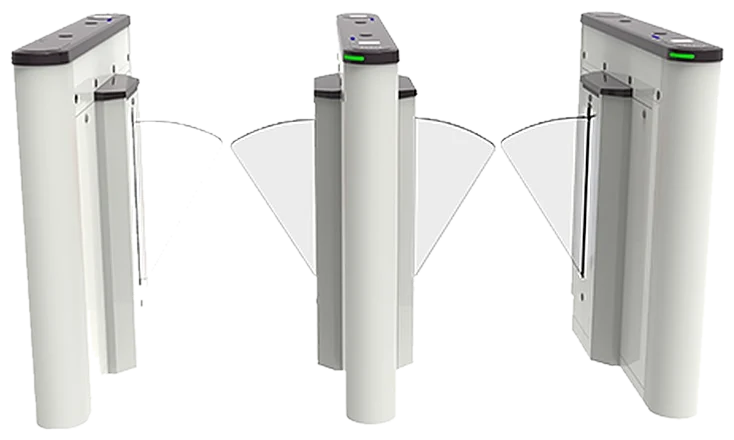
We survey the site, supply the scanner with its manufacturer warranty, install and level it, run the start-up, image and radiation leakage checks, train your operators and maintain it under AMC with preventive visits and breakdown support across IMT Manesar, Binola, Pachgaon, Bilaspur and the NH-48 and KMP warehouse belt. We also cover X-ray baggage scanners in Gurugram, Delhi, Noida and Faridabad. For other security systems in the area see security systems in Manesar, including flap barriers for admin blocks.
Get a quotation
Call or WhatsApp +91 97119 00801 (WhatsApp) with what you need to screen (staff bags, visitor bags or parcels), the largest item, the number of people at the biggest shift change, and a photo of the exit, gate or dock, or use our contact page.
Questions from Manesar buyers
Do you supply X-ray baggage scanners in Manesar?
Yes. We supply, install and maintain X-ray baggage scanners for plants in IMT Manesar, warehouses and fulfilment centres on NH-48 and the KMP Expressway, logistics parks around Binola, Pachgaon and Bilaspur, resorts, schools and exam centres, from our office in Sector 14, Gurugram.
Where should the scanner stand in a warehouse?
Usually at the staff exit from the operations floor, with lockers outside the floor for personal bags and a door frame metal detector for the person. If you also want to screen incoming parcels, a second scanner near the inward dock works better than carrying parcels to the exit.
Can one scanner handle a full shift change?
It depends on how many people leave at once and what they carry. With lockers and small bags, one compact scanner with a long exit roller table handles a normal shift; for large shifts or peak season we suggest a second lane. We size it from your biggest shift during the survey.
Which tunnel size suits courier parcels?
Most courier packets and medium cartons fit a 600 x 400 mm or 655 x 505 mm tunnel. For cartons larger than that, a cargo-size machine is needed, which we quote on request after seeing the carton sizes.
What is the price of an X-ray baggage scanner in Manesar?
It depends on the tunnel size, energy and view type, make, accessories and AMC terms, so we do not publish one fixed price. We send an itemised written quotation after a free site survey, and our price guide explains what decides the cost.
Call +91 97119 00801, message us on WhatsApp or request a quote. We will plan a site survey and send a written quotation.