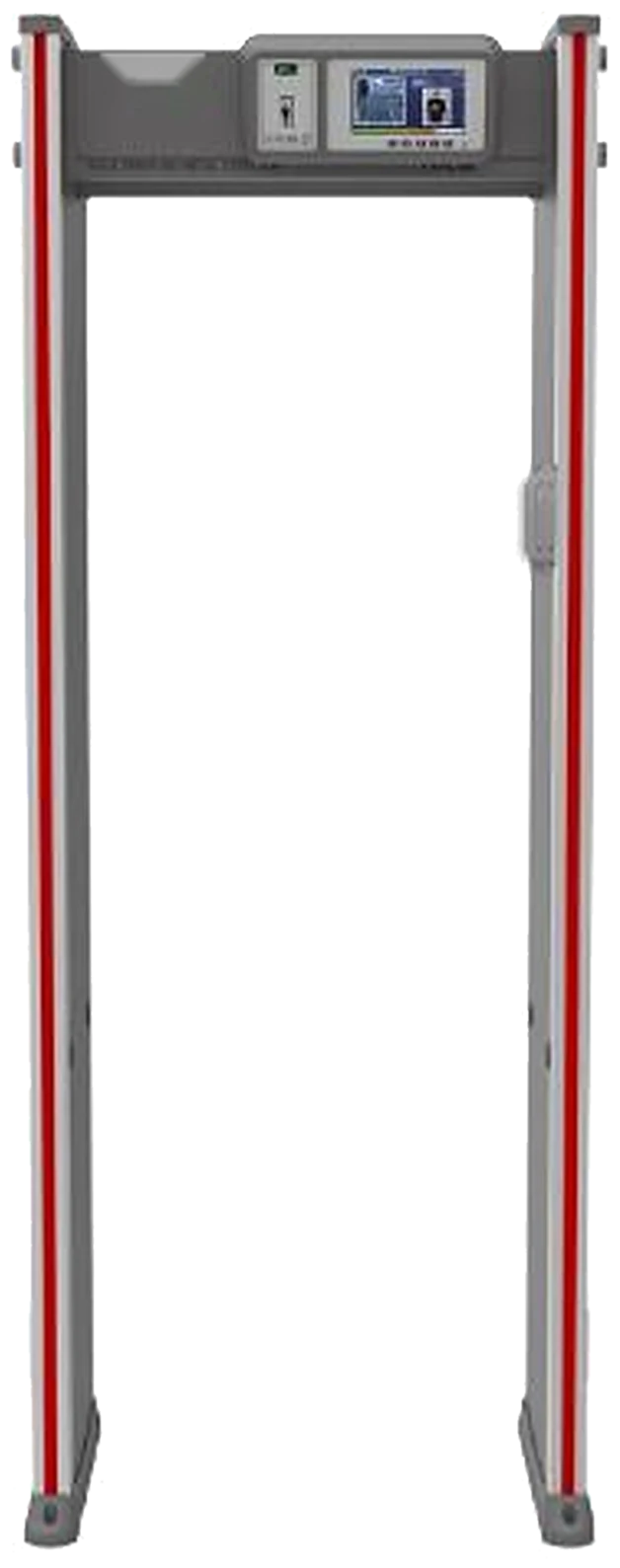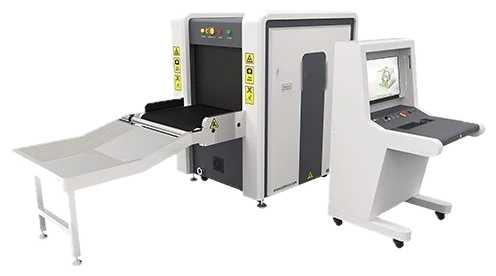
A door frame metal detector (DFMD), also called a walk-through metal detector, alarms when a person carries metal through it. Here is what matters when you choose one.
Number of zones
Multi-zone detectors split the frame into zones from head to feet and show which zone found the metal. Common options are 6, 18, 24 and 33 zones. More zones help guards find the item faster with a handheld detector.
Sensitivity settings
Good detectors let you set sensitivity so that small items such as keys and coins can be ignored while larger objects still alarm. This keeps queues moving without lowering security.
Counters and display
Look for a clear alarm light and sound, a people counter and an alarm counter. These help you understand footfall and alarm rates at each entry.
Indoor or outdoor
For outdoor use, choose a weather-protected model or place the detector under a canopy. Rain and direct sun can affect electronics over time.
Placement tips
- Keep the detector away from large moving metal such as lift doors, sliding gates and vehicles.
- Keep it away from heavy electrical equipment and power cables that cause interference.
- Fix it firmly to the floor so vibration does not trigger false alarms.
- Leave space after the frame for a guard with a handheld detector.
Pair it with a handheld detector
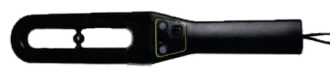
A walk-through detector tells you that metal is present. A handheld detector finds exactly where it is. Every screening point should have both.
Our engineers can visit your site and recommend the right option. Call +91 97119 00801 or request a quote.