A parking management system in Delhi can mean very different things. For a small office it may be one boom barrier with a tag reader. For a mall or hospital it means entry and exit lanes, tickets or number plate cameras, payment, slot guidance and daily revenue reports. This guide explains the parts, the choices and the questions to ask, so you can compare quotations on equal terms. It is written for facility managers, building owners, hospital administrators and society committees across Delhi and the wider NCR.
Note: we do not publish a fixed price, because the cost depends on the number of lanes, the entry method, the payment options and the civil work. Ask for an itemised quotation that lists each lane, device and software licence separately.
What a parking management system includes
Most systems are built from the same blocks. You choose which ones your site needs:
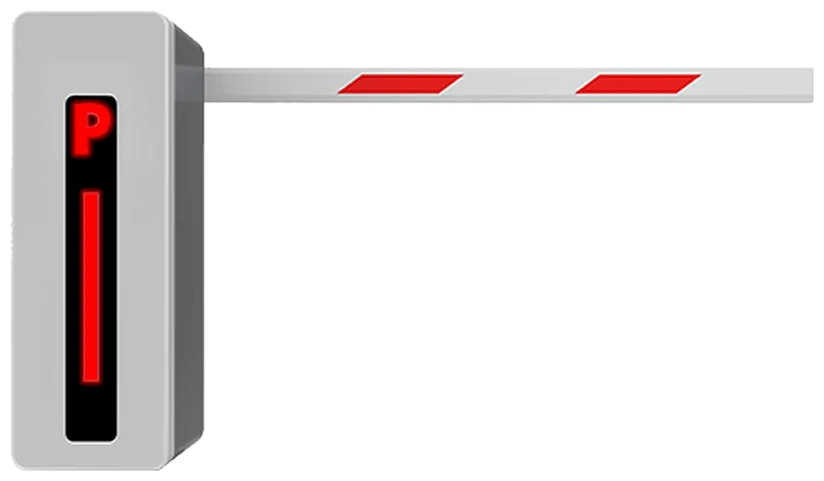
- Lane equipment: a boom barrier at each entry and exit, with loop detectors or safety sensors so the arm never comes down on a car
- Entry method: paper or QR tickets, RFID cards, long-range UHF tags, ANPR cameras or FASTag
- Payment: a cashier booth, a pay station, or online payment by UPI, card or FASTag
- Guidance: bay sensors and LED boards that show free slots on each level
- Software: passes for regular users, tariff rules, reports and an audit trail
Semi automatic or fully automatic?
Semi automatic parking management system
In a semi automatic setup, the driver takes a ticket at entry and pays a cashier at the exit, who scans the ticket and opens the barrier. It suits sites with moderate traffic and staff already at the gate, and it is the simpler place to start. The software still calculates the fee, so cash handling becomes traceable.
Fully automatic
In a fully automatic setup, drivers pay at a pay station or online before returning to their car, and the exit barrier opens by itself when the paid ticket, tag or number plate is read. It needs more equipment but fewer people, and it keeps queues short at busy times. Malls, hospitals and large commercial complexes usually move in this direction.
Tickets, tags or number plates?
Each entry method has a place:
- Tickets (paper or QR): best for visitors and pay parking, where you do not know the vehicle in advance
- RFID cards or UHF tags: best for staff and residents; UHF tags on the windscreen open the barrier without stopping
- ANPR cameras: read the number plate, allow ticketless entry for registered vehicles and log every vehicle with a photo
- FASTag: can be used for entry and payment with supported parking software
Many sites mix them: tags or ANPR for regular users, tickets for visitors. Our guide on RFID vs ANPR for boom barriers goes deeper into that choice.
Using ANPR for entry gate automation
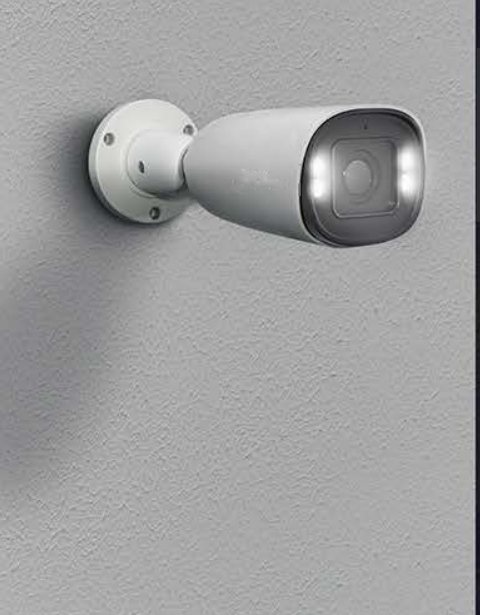
ANPR works well when number plates are standard and clean, and when the camera is placed at the right height and angle with good lighting at night. Ask the supplier to do a site survey and mark the camera position, the reading distance and where the vehicle will stop. Also ask what happens when a plate is not read: there should always be a fallback, such as a ticket, a guard button or a tag.
Parking for offices and housing societies
Offices and societies rarely need pay stations. The usual setup is UHF tags or ANPR for staff or residents, monthly passes in the software, and a visitor management system for guests and delivery vehicles. Adding CCTV at each lane gives you a clear record of every vehicle and helps settle disputes.
Local points for Delhi sites
Basements in older Delhi buildings often have low headroom, so check that barrier arms, ticket dispensers and boards fit the space, and consider folding or short arms. Mixed-use complexes may need separate rules for shop owners, office tenants and visitors. Busy road frontage means queues spill onto the road quickly, so plan enough lanes and a fast exit. Power cuts are common enough that every barrier should have a manual release and the software should keep working on backup power.
Questions to ask before you order
- How many entry and exit lanes, and what are peak-hour vehicle numbers?
- Which entry methods for visitors and for regular users?
- Which payment options, and who will collect cash, if any?
- Does the software support passes, tariffs, reports and multiple entries?
- Can it link with access control, visitor management and CCTV?
- What civil work, cabling and power points are included?
- What are the warranty, AMC and on-site response time?
Mapple Infocom supplies and installs parking management systems, boom barriers and ANPR across Delhi, Gurugram, Noida and the rest of NCR. Contact our team with your lane count and site details, and we will plan a site survey and send an itemised quotation.
Our engineers can visit your site and recommend the right option. Call +91 97119 00801 or request a quote.