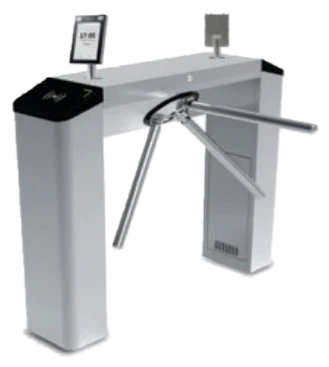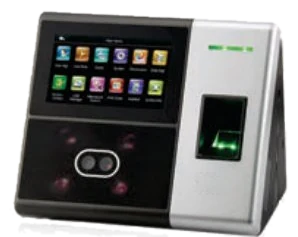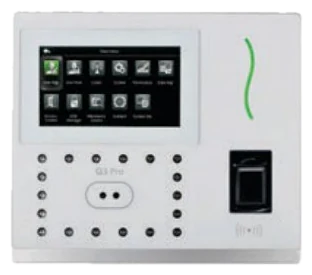
A tripod turnstile is the most common way to control people at a staff entrance in India. You see them at factory gates, office lobbies, gyms, metro-style canteens and institutes. Three arms rotate one step for each person, so only one person passes per valid card, face or fingerprint. Models differ a lot in drive type, safety features and build quality. This guide explains what to check before you buy.
1. Is a tripod turnstile the right choice?
A tripod turnstile works best where you want a clear, one-by-one entry at a waist-height gate, and the area is indoors or under a shed. It suits:
- Factories and warehouses: shift entry and exit linked with attendance
- Offices and IT parks: staff entry where a speed gate is not needed
- Gyms, clubs and institutes: member or student entry with cards or face
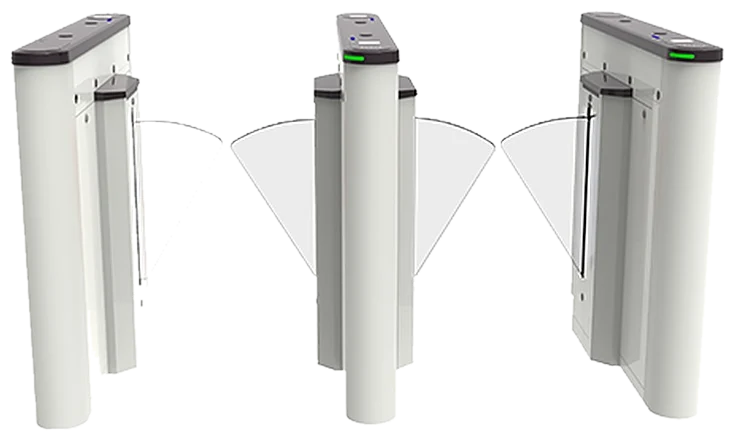
It is not the best choice where someone could simply climb over, such as an open perimeter fence. For that, a full height turnstile is safer. For a premium lobby with heavy traffic, a flap barrier moves people faster and looks more modern. Our guide on flap vs swing vs tripod compares them side by side.
2. Semi-automatic or fully automatic drive
This is the biggest choice and it affects both price and user experience.
- Semi-automatic (mechanical): the arm unlocks after a valid read, and the person pushes it to rotate. The mechanism then resets the arm. It is simple, reliable and cheaper. It suits factories and back-office entries.
- Fully automatic (motorised): a motor turns the arm by itself after a valid read. It feels smoother, suits visitors and people carrying bags, and reduces wear from hard pushing. It costs more and has more parts to service.
If your entrance has many visitors who are not used to turnstiles, or you want a premium feel, a fully automatic model is worth considering. For daily shift workers who use the gate twice a day, semi-automatic is usually enough.
3. Drop-arm (anti-panic) function
In an emergency or a power cut, people must be able to leave quickly. A drop-arm turnstile lets the top arm fall down automatically when power fails or when a fire alarm signal is received, giving a free path. Without it, the turnstile can become an obstacle during evacuation.
Ask the supplier two questions: does the arm drop automatically on power failure, and can the turnstile accept a dry contact from the fire alarm panel? Also make sure there is a separate emergency or wheelchair gate next to the turnstile line, because a tripod lane is narrow.
4. Body material and finish
Most good tripod turnstiles use stainless steel. Grade SS 304 is the usual choice for indoor and covered areas. Near the sea, in chemical plants or in very dusty or wet locations, ask about a higher grade or extra protection. Check sheet thickness, welding quality and how easily the top cover opens for service.
If the turnstile will stand in rain, use a shed or canopy. Most tripod turnstiles are built for indoor or sheltered use, not direct monsoon rain.
5. One-way or two-way, and how many lanes
A turnstile can control entry only, exit only, or both directions. Many sites use two-way control so that the exit is also recorded for attendance and headcount. Plan the number of lanes from your peak traffic, for example how many staff arrive in the 15 minutes before a shift starts. Busy factory gates usually need two or more lanes, plus a separate path for goods and visitors.
6. Reader and software integration
The turnstile itself is only the barrier. Decide how people will be identified:
- RFID card: fast and low cost; cards can be shared, so add a camera if this is a concern
- Fingerprint: no cards to lose; slower in dusty or oily work environments
- Face recognition: touch-free and fast; check the lighting at the entrance
- QR code: useful for visitors and events with a visitor management system
Make sure the reader can mount on the turnstile body or a stand, and that the access control software sends the open signal to the turnstile in both directions. If you want attendance from the same gate, confirm that the software exports reports in the format your HR or payroll team uses. See our guide on face vs fingerprint attendance for help with the reader choice.
7. Installation and service
A tripod turnstile is bolted to a level concrete floor, with a cable conduit for power and data. Plan the conduit before final flooring to avoid cutting tiles later. After installation, the moving parts need periodic cleaning, lubrication and checks of the sensors and drop-arm. A local supplier with spare parts and an AMC option saves long downtime at the gate.
On cost: the final price depends on drive type, body grade, number of lanes, reader type and software, so compare quotes on the same specification rather than on the headline price alone.
Checklist before you order
- Number of people at peak time and number of lanes needed
- Semi-automatic or fully automatic drive
- Drop-arm on power failure and fire alarm input
- SS 304 or higher grade body, indoor or sheltered location
- One-way or two-way control
- Card, fingerprint, face or QR reader, and attendance software link
- Emergency or wheelchair gate beside the turnstiles
- Warranty, spare parts and AMC support
Mapple Infocom supplies, installs and maintains tripod turnstiles with attendance and access control in Gurugram and across Delhi NCR. Share your entrance width, staff count and a few photos, and our team will suggest a suitable setup and plan a site survey.
Our engineers can visit your site and recommend the right option. Call +91 97119 00801 or request a quote.